

rickypadilla1
About rickypadilla1
Up In Arms About Townhouse?
Every few years the housing market rewrites the rules, and buyers who learned the last set of rules show up unprepared for the new ones. Right now, the rules have changed more than they have at any point in a generation. The buyers who understand that are finding deals. The ones who do not are making expensive mistakes.
 In markets where developers managed to bring inventory to market faster than demand absorbed it, prices have pulled back. Several Sun Belt metros that boomed during the pandemic have given back a portion of those gains. But those are the exceptions. Most markets are not working from excess; they are working from scarcity.
Affordability, by the standard measure of what share of median household income goes toward the monthly payment on a median-priced home, is near its worst level since the early 1980s. That is a real problem, and it is not going away quickly. A market can stay unaffordable for longer than most buyers expect to wait. What it means, practically, is that fewer people can compete for each property.
 Before you look at a single listing, get your mortgage pre-approval completed and in hand. Not a rough estimate. Not a verbal confirmation from a loan officer you met once. A full pre-approval based on verified income, tax returns, bank statements, and a hard credit pull. Without that letter, you are not a buyer, you are a browser.
 The inspection is where the marketing copy meets reality. Schedule it and attend in person if at all possible. A good home inspector will walk you through what they are finding as they go, and the conversation is often more valuable than the written report that follows.
 Budget two to four percent of the purchase price for closing costs, on top of your down payment. First-time buyers are sometimes surprised by how much cash is required beyond the down payment itself. Ask your lender for a Loan Estimate with a realistic purchase price so the numbers reflect what you are actually going to face.
 The timing question, whether to buy now or wait for a better moment, is the one that trips up more buyers than any other single factor. The record on market timing for owner-occupied housing is not encouraging. The more useful question is not whether now is the right time in the abstract; it is whether you are buying because the numbers make sense for you, not because you feel social pressure to own.
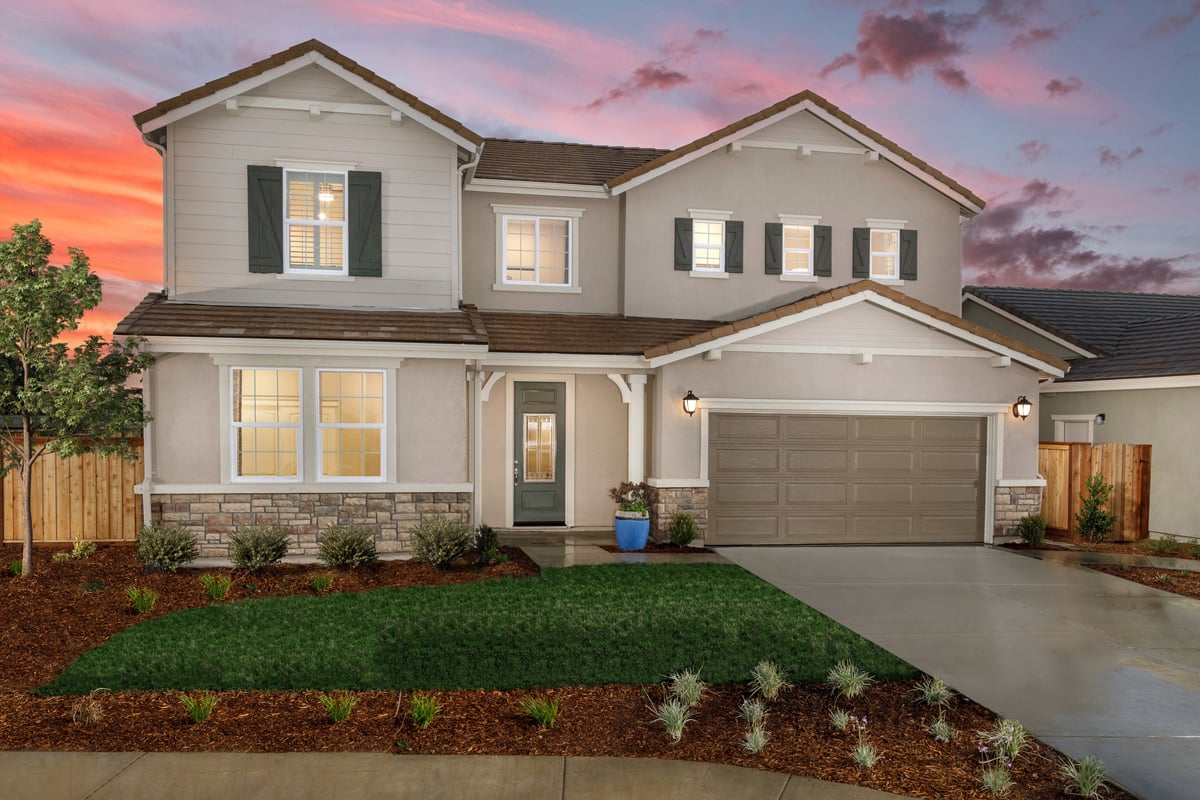 Buyers who take the time to do their homework tend to find that there are still good properties available at realistic prices. A quick look at up-to-date property listings will tell you more about your local market than most of what you read in national coverage.
No listing found.